

Inside the transformation of Port Talbot's steel plant
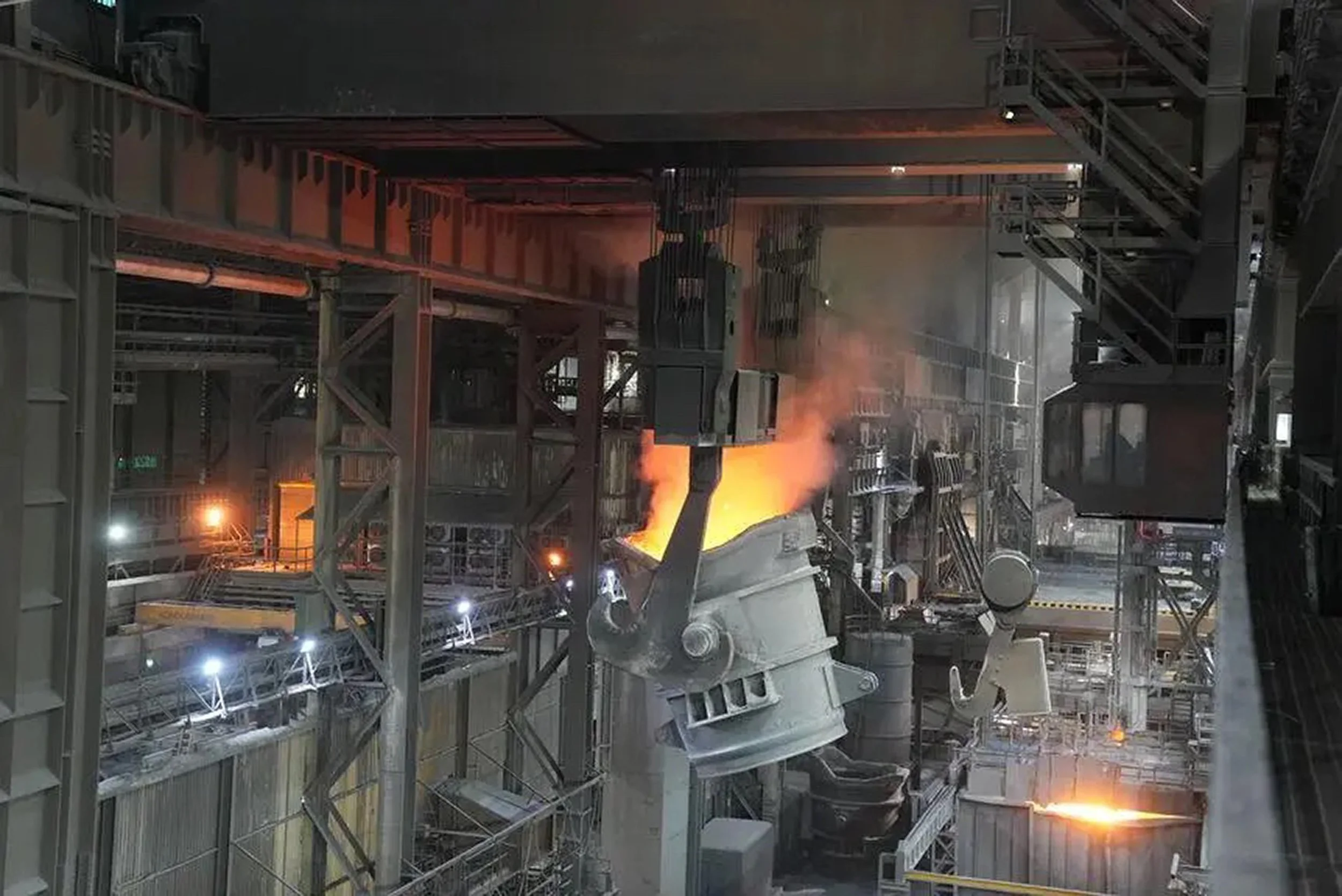
Looking towards the converter stage from the north end of the steel plant during previous operations
Before any work can start on constructing one of the world’s largest electric arc furnaces (EAF) at Port Talbot, the existing steel plant building – in which it is to be located – is being stripped back to a shell as the site prepares for the next generation of steelmaking.
Chris Scourfield, project engineer for the enabling works, explained, “This area was once the busiest part of the steel and slab plant – up to 5 million tonnes a year of molten iron from the two blast furnaces was de-sulphurised, and converted to liquid steel in two giant convertors.
“The transformation work started as soon as steelmaking stopped back in 2024. At the north end of the plant we removed the fume hoods from the hot metal stations, the rail tracks, the industrial weighing scales and he two desulphurisation stations, all without incident.”
The cleared space will become a critical working area for the refractory replacement and repair of the EAF shells and steel teeming ladles.
Looking upwards reveals another major operation in progress: preparation for the removal of the 500-tonne South Charger (girder) Crane. “We’ll be cutting a hole in the roof to allow a huge crawler crane outside to lift it out,” Chris explains.
At the south end of the steel plant, the transformation is even more striking. Former scrap bays, workshops and the secondary steelmaking ‘teeming bay’ have been completely stripped out and walls knocked through to make way for the EAF itself and two brand new ladle metallurgy furnaces.
Extensive piling and ground works will create a strong and level foundation across the entire bay at the same level as the area outside that will support the Consteel conveyor.
Chris reflects on the significance of the moment. “Some of the stuff we’re taking out, I was instrumental in installing 35 years ago. It is tough, but when you know it’s making way for a brand-new steelmaking process that secures the site's future for generations to come, it makes it all worthwhile.”
With new structures and equipment expected to start arriving later this year, the steel plant is well on the way to the biggest transformation since it was first commissioned in 1972.